Earth Movers: Your Complete Resource to Excavation Contractors in the Province of Ontario
Excavation is a vital aspect of building and land improvement, serving as the foundation upon which structures and infrastructures are constructed. In have a peek at this site , a region known for its varied geological features and diverse soil types, understanding the details of excavation is essential for both residential and commercial projects. Whether you are planning to excavate a new home, install a sewage system, or prepare land for farming, familiarity of local regulations, environmental factors, and site preparations can greatly impact the outcome of your endeavor.
This guide aims to provide a thorough overview of excavation contractors in Ontario, highlighting key elements such as frost depth guidelines, safety regulations, and the importance of adequate site grading. From the bustling urban centers of the Greater Toronto Area to the scenic rural areas, navigating the challenges posed by Ontario's soil types and climatic factors is crucial. With considerations ranging from the required permits to critical site preparation to-do lists, this article will equip you with the knowledge you need to make informed choices for your excavation needs.
Digging Essentials in the Province of Ontario
Excavation projects in Ontario necessitate meticulous planning and adherence to guidelines to ensure favorable results. One of the first steps for any excavation project is grasping the frost depth depths in the area. This knowledge is essential for excavating foundations, as frost can greatly impact the integrity of a structure. By considering Commercial Excavation , builders can avoid expensive mistakes related to foundation issues that could arise from frost heave cycles.
Another essential aspect of digging in the Province of Ontario is the need for site preparation before excavating. A detailed site preparation checklist is crucial for new home builds. This checklist typically includes evaluating the land features, determining the types of soil, identifying potential hazards, and verifying that all necessary permits are secured. In addition, it is critical for contractors to utilize the One Call system to protect their digging activities. This service allows workers to detect and locate underground utilities, reducing the risk of accidents and expensive disruptions.
Builders must also be cognizant of the various laws enforced by the Ontario Ministry of Labour regarding safety during excavation. This includes understanding trenching safety and shoring practices to protect workers and ensure compliance with legal requirements. By following these regulations and adopting best practices, contractors can create a more secure work environment, reducing potential hazards associated with excavation work in Ontario.
Safety Protocols and Optimal Procedures
Security is paramount in excavation projects, especially in the province of Ontario where regulations are rigorous to protect workers and the workplace. The Ministry of Labour outlines comprehensive safety standards that excavation contractors must comply with to ensure a safe worksite. This includes adequate training for workers on machinery use, responding to emergencies, and the particular risks associated with excavation, such as landslides or contact with subsurface utilities. Safety precautions must also encompass comprehensive site assessments before digging begins, ensuring that all potential dangers are addressed.
Contractors should adopt best practices for safe trenching, adhering to standard guidelines regarding trench depth, support systems, and entry and exit provisions. Engaging a qualified safety officer to supervise operations can further improve protection measures. Regular safety audits and discussions should be conducted to promote a safety mindset within the workforce. Using appropriate shoring techniques significantly minimizes the risk of cave-ins, and ensuring that all workers are equipped with PPE is essential in preventing harm.
In addition to compliance with safety regulations, open communication and collaboration among crew members play a key role in ensuring excavation safety. Using approaches like safety observers for equipment operation and ensuring clear signals for movement can help prevent accidents. Contractors should also emphasize keeping the worksite tidy and free of clutter, which contributes to a safer environment. By fostering a proactive approach to safety through continuous training and strict adherence to regulations, excavation contractors can safeguard their teams while ensuring operational effectiveness.
Cost Factors and Project Considerations
As planning a digging project in Ontario, grasping cost factors is crucial to effective budgeting. Key elements influencing costs include type of soil, site accessibility, project scale, and depth of excavation. For example, heavy clay soils, common in the Greater Toronto Area, may require specific tools and methods, raising overall costs. Additionally, if the site has limited access or requires extensive shoring, contractors may need to consider increased labor and machinery costs to adequately handle these conditions.
Permitting and compliance also play important roles in excavation project costs. In Ontario, different municipalities have unique requirements that can affect timelines and costs. Securing the necessary permits from conservation authorities can add to the project duration and cost. It's essential to navigate regulations, such as those concerning the management of excess soil or tree protection zones, to avoid potential fines or project delays. Engaging Excavating Contractors with local rules can streamline this process.
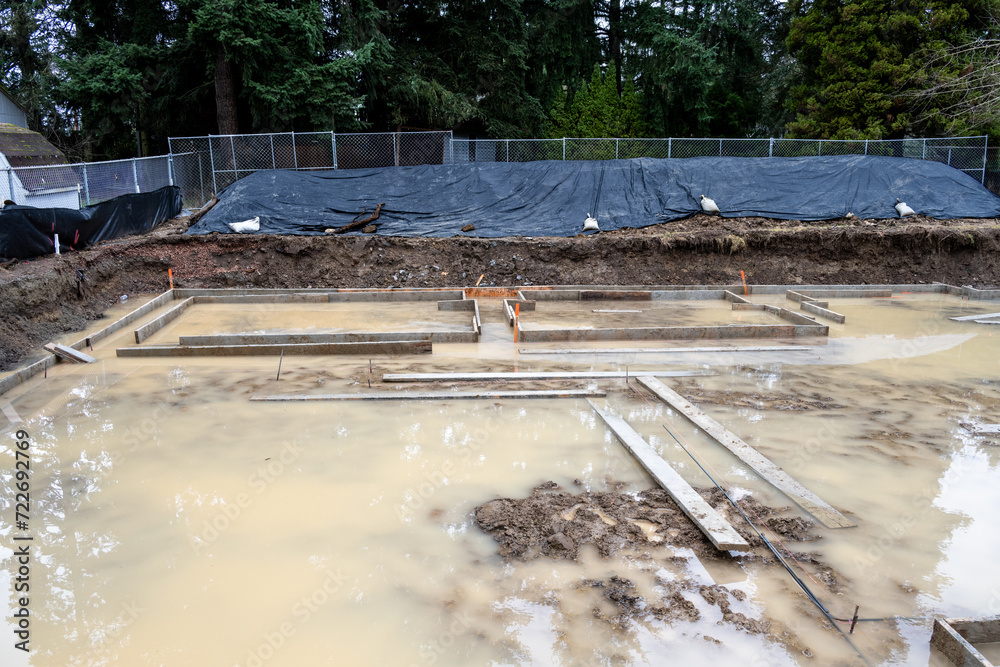
Lastly, seasonal considerations can significantly impact excavation costs and logistics. Winter excavation requires specialized techniques to manage frozen ground conditions, while wet spring seasons may necessitate dewatering strategies to handle high water tables near lakes. Understanding these seasonal challenges will help homeowners and contractors alike to plan effectively, ensuring that budget and schedule align with the truths of Ontario's climate and terrain.