Under the Surface: The Benefits of Engaging Ontario-based Excavation Specialists
As you embark on a construction assignment, regardless of whether it's a new house, a business building, or outdoor renovations, the importance of employing expert excavation professionals cannot be overstated. In Ontario, given that varied soil types, varying weather conditions, and rigorous laws are in effect, the expertise of experienced excavation contractors is critical to ensure a successful and secure digging process. They not only bring specialized expertise and tools but also assist steer through the complexities of local licensing, soil management, and safety regulations.
Grasping the distinct issues posed by Ontario’s geological features and weather conditions is vital. For instance, the effects of the depth of frost lines can significantly impact foundation excavation, while dense clay soils in specific regions pose specific challenges that require tailored handling techniques. Additionally, excavation is more than about digging; it entails meticulous preparation and site setup, ensuring adherence with regulations like those set by the Ontario Ministry of Labour. This guide intends to examine the numerous benefits of employing Ontario digging specialists, illuminating essential aspects such as safety practices, appropriate site grading, and techniques for controlling water drainage and soil effectively. By digging deeper into these subjects, property owners can make informed decisions that result in improved results.
Main Considerations for Excavation Initiatives in Ontario
As you planning excavation projects in Ontario, grasping the local frost line depths is essential. Excavation Services can significantly affect foundation excavation and the overall stability of structures constructed in the region. Proper knowledge of these depths assists in determining the appropriate depth for footings and foundations, ensuring that they are located below the frost line to prevent uplift and structural damage during freeze-thaw cycles.
Additionally, an important aspect is compliance with regulations, including those established by the Ontario Ministry of Labour. Excavating Contractors , trenching safety standards, and shoring requirements are designed to protect workers and ensure safe job sites. Contractors must be well-versed in these regulations to prevent fines and ensure the safety of their teams. Additionally, following best practices in site preparation can prevent complications down the road, including delays and unexpected costs.
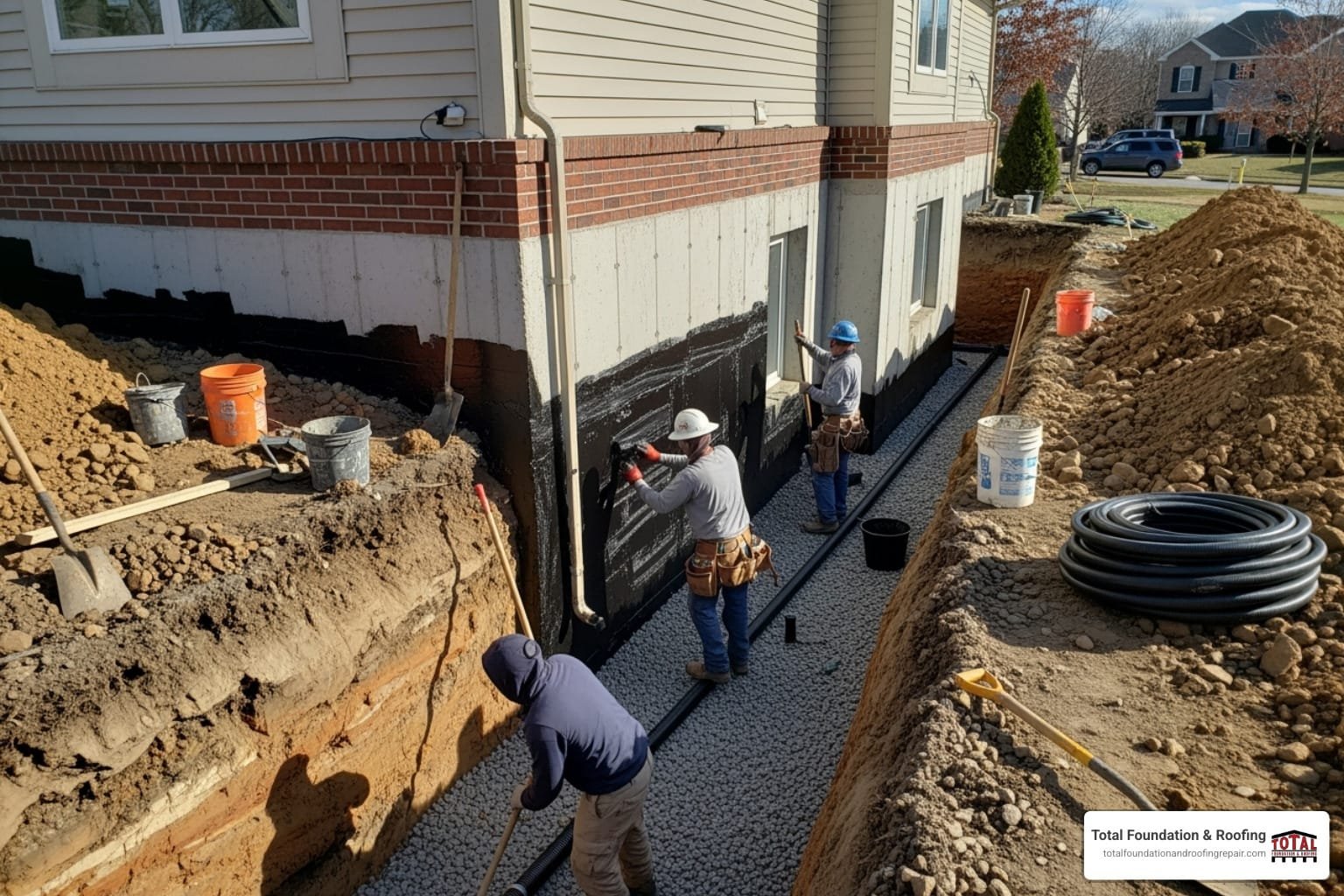
Ultimately, soil conditions across Ontario vary widely, affecting excavation techniques and equipment used. For example, dealing with heavy clay soil in the Greater Toronto Area requires specialized approaches and machinery to avoid issues such as poor drainage and excessive compaction. Understanding the specific site conditions and having the appropriate tools for the job will not only enhance efficiency but also aid in achieving a successful outcome for any excavation project.
Grasping Excavating Policies and Safety Protocols
Excavating tasks in the province of Ontario are subject to a variety of regulations established to ensure the safety of employees, the general public, and the environment. The Ontario Ministry of Labour has set forth standards that must be adhered to to guarantee safety on the job site. These include particular criteria pertaining to support structures, trenching protection, and worker instruction. Ensuring compliance with these standards not just promotes safe work methods but also minimizes liability and construction hold-ups.
One crucial component of excavation safety is the execution of efficient support practices. Proper shoring procedures help to stop soil caving in, notably in deeper digs. Contractors must analyze soil state and determine the suitable shoring technique based on the measure and type of dig. Furthermore, regular reviews are essential to detect any possible dangers that may arise during excavation work, maintaining a safe atmosphere for all workers engaged.
In parallel to local regulations, it is imperative for excavation contractors to be knowledgeable about site-specific needs, including tree preservation zones and erosion control practices. Complying with ecological regulations ensures not only construction coherence but also local ecosystems. By being diligent in grasping and applying these regulations and safety practices, excavation contractors can assist in productive construction successes and eco-friendly development across Ontario locales.
Cost Factors and Techniques in Ontario Excavation Work
Digging costs in the province of Ontario can vary significantly based on multiple key factors. The kind of job, site, soil conditions, and the extent of excavation all play crucial roles in determining the overall expense. For example, projects in urban settings may face increased costs due to space limitations and additional regulations. Southern Ontario's diverse ground types, such as heavy clay, can also affect equipment choice and workforce, potentially raising costs for specialized techniques.
When it comes to techniques, understanding the specific requirements of the job can result in more efficient and cost-effective excavation. For example, hydro excavation is gaining popularity for its safety and precision, particularly in urban areas where current utilities need to be carefully managed. Additionally, techniques like bulk earthmoving and rough grading can speed up larger jobs but necessitate thorough planning to ensure that they comply with local regulations and ground management guidelines.
Finally, it is crucial to consider the expenses associated with licences and inspections. Ensuring compliance with Ontario's excavation regulations, including those set by conservation authorities or the Ministry of Labour, can add to the job timeline and budget. Proper planning, including soil compaction testing and trench safety protocols, not only keeps costs in check but also prevents potential hazards, ultimately leading to a successful excavation job.